Aug 21, 2026Buying Guides
How to Import Brake Pads from China: A Complete Guide for First-Time Buyers
Step-by-step guide to importing brake pads from China. Learn how to find suppliers, verify quality, place orders, arrange shipping, and handle customs for your first import business.
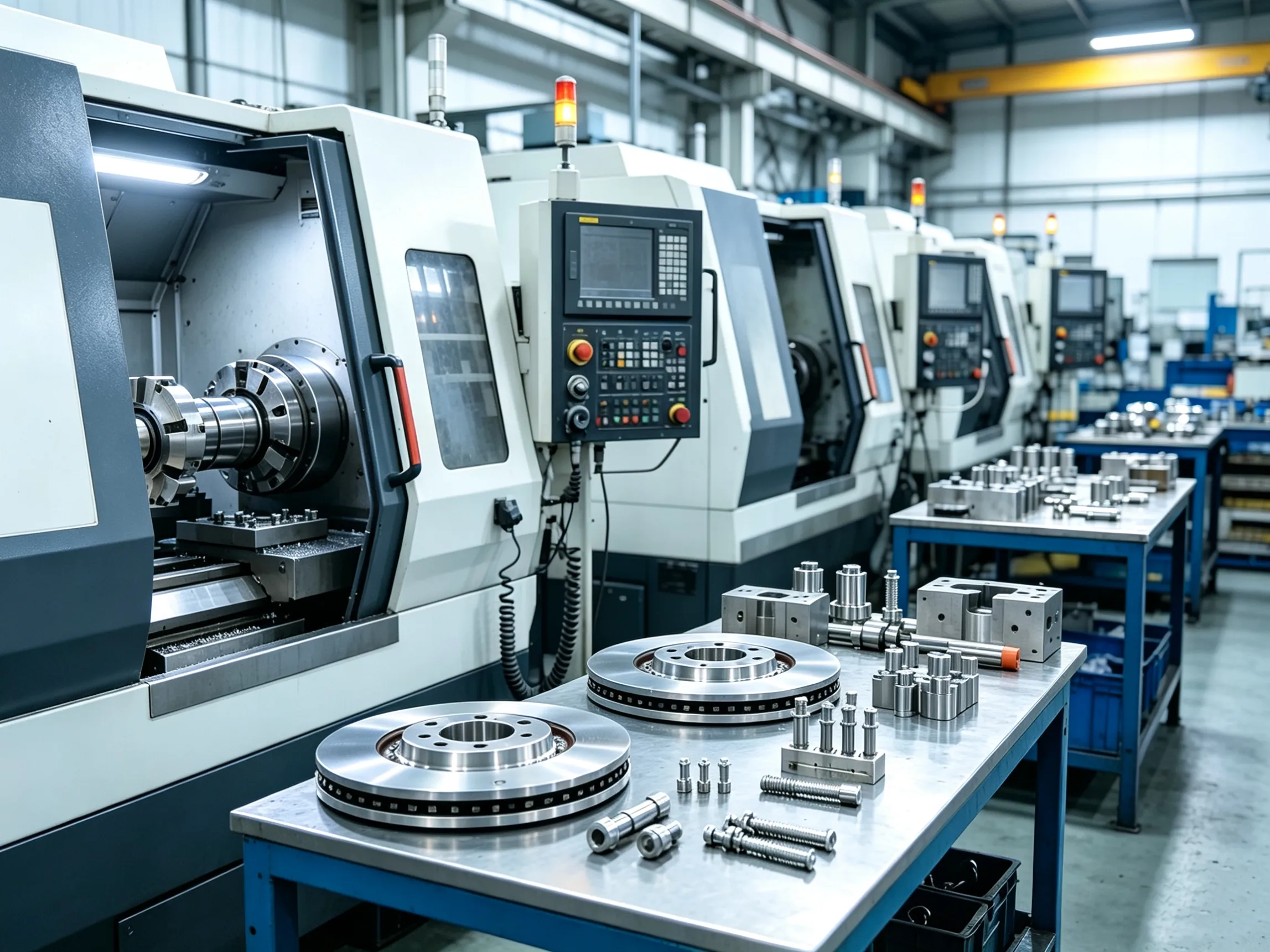
Importing brake pads from China can be a profitable business venture, but it requires careful planning and the right knowledge. This guide walks you through every step of the process, from finding suppliers to receiving your first shipment.
Why Import Brake Pads from China?
China is the world's largest manufacturer of automotive brake pads, accounting for a significant share of global aftermarket production. The advantages of sourcing from China include:
- Competitive pricing — Manufacturing costs in China are lower due to economies of scale and mature supply chains
- Wide product range — Chinese factories produce all major brake pad types: ceramic, semi-metallic, and NAO (organic)
- Flexible MOQ — Many suppliers accept orders as low as 200–500 sets per SKU
- OEM and ODM capability — Most factories can produce custom formulations, packaging, and branding
- Mature logistics — Well-established shipping routes to Africa, Southeast Asia, Europe, and the Americas
Step 1: Understand Your Market
Before contacting any supplier, you need to understand what your target market demands. This is the most important step and the one most beginners skip.
Research Vehicle Fitment
Find out which vehicle makes and models are most common in your market. For example:
- Africa: Toyota Hilux, Toyota Corolla, Nissan NP300, Mercedes-Benz Sprinter — see our guide on top-selling brake pads for African markets
- Southeast Asia: Toyota Vios, Honda City, Mitsubishi Triton, Isuzu D-Max
- Middle East: Toyota Land Cruiser, Nissan Patrol, Lexus LX
- South America: VW Gol, Fiat Palio, Chevrolet Onix, Toyota Corolla
Choose the Right Brake Pad Type
Different markets prefer different materials. Ceramic vs semi-metallic brake pads is one of the first decisions you will face:
- Semi-metallic — Best for Africa, Southeast Asia, and commercial vehicles. Lower price, strong stopping power, handles heavy loads
- Ceramic — Best for North America, Europe, and premium markets. Low noise, low dust, higher margins
- NAO (organic) — Budget option for light-duty applications
Know Your Certification Requirements
- Europe: ECE R90 is mandatory for all brake pads sold in the EU
- Nigeria: SONCAP certification required
- USA: No federal mandate, but FMVSS 135 standards apply; DOT marking expected
- Other markets: Check local regulations before ordering
Step 2: Find Reliable Suppliers
Online Platforms
The most common ways to find Chinese brake pad suppliers:
- Alibaba.com — Largest B2B platform with thousands of brake pad suppliers. Filter by "Gold Supplier" and "Trade Assurance" for added security
- Made-in-China.com — Another major B2B platform with verified manufacturers
- Global Sources — Focuses on verified suppliers, often with factory audit reports
- Canton Fair — China's largest trade fair, held twice a year in Guangzhou. Great for meeting suppliers face-to-face
- Industry exhibitions — Automechanika, AAPEX, and regional auto parts shows
What to Look for in a Supplier
Not all suppliers are equal. Evaluate them based on:
- Factory vs trading company — Factories offer better pricing and quality control; trading companies offer wider product ranges and lower MOQs
- Production capacity — Can they handle your order volume?
- Quality management system — Look for ISO 9001, IATF 16949, or TS 16949 certification
- Export experience — Have they shipped to your market before? Do they understand your certification requirements?
- Sample quality — Always request samples before placing a bulk order
Step 3: Request and Evaluate Samples
Never skip the sampling stage. This is your chance to verify product quality before committing to a large order.
What to Request
- 2–5 sets of samples for your most popular vehicle applications
- Product data sheets with friction coefficient, temperature range, and material composition
- Test reports (friction, fade, shear strength) if available
- Certification documents (ECE R90, ISO, etc.)
How to Evaluate Samples
Check the samples for:
- Visual inspection — Even friction material, clean edges, proper shim attachment, no cracks or voids
- Backing plate quality — Should be flat, rust-free, and properly coated
- Fitment test — Test-fit on an actual caliper to verify dimensions
- Weight comparison — Compare against OE pads; significant weight differences may indicate material issues
Step 4: Negotiate Pricing and Terms
Understanding Pricing Structure
Brake pad pricing depends on:
- Material type — Ceramic costs 20–40% more than semi-metallic
- Vehicle application — Luxury and performance vehicle pads cost more
- Order quantity — Larger orders get better per-unit pricing
- Packaging — Custom packaging adds cost but improves brand perception
- Certification — ECE R90-certified pads may cost 5–15% more
Key Payment Terms to Negotiate
- Sample payment: Usually 100% prepaid, sometimes refunded on bulk order
- Bulk order: Common terms are 30% deposit, 70% before shipment (T/T), or letter of credit (L/C) for larger orders
- Payment methods: T/T (bank transfer) is most common; Alibaba Trade Assurance offers buyer protection
Step 5: Place Your Order
Order Confirmation Checklist
Before confirming your order, verify:
- Product specifications (material, dimensions, friction coefficient)
- Vehicle fitment list (which car models each SKU fits)
- Quantity per SKU and total order quantity
- Unit price and total amount
- Packaging requirements (box design, labeling, barcodes)
- Delivery terms (FOB, CIF, or EXW)
- Lead time (typically 25–35 days for standard orders)
- Quality inspection method (pre-shipment inspection, third-party audit)
Quality Control During Production
Consider hiring a third-party inspection company (SGS, Bureau Veritas, TÜV) to inspect goods before shipment. This is especially important for first orders.
Step 6: Arrange Shipping
Shipping Options
- Sea freight (FCL) — Full container load. Best for orders over 5 CBM. Cheapest per unit but slowest (20–40 days depending on destination)
- Sea freight (LCL) — Less than container load. For smaller orders. Slightly higher per-unit cost than FCL
- Air freight — Fastest (3–7 days) but most expensive. Use for urgent orders or samples
- Rail freight — Available to Central Asia and Europe via China-Europe rail. Faster than sea, cheaper than air
Incoterms Explained
- EXW (Ex Works) — You handle all shipping from the factory. Lowest price but most work
- FOB (Free on Board) — Supplier delivers to the port; you handle ocean freight and insurance. Most common for experienced importers
- CIF (Cost, Insurance, Freight) — Supplier handles shipping to your destination port. Easier for beginners but slightly higher price
Step 7: Handle Customs and Import Duties
Documents You Will Need
- Commercial invoice
- Packing list
- Bill of lading (sea) or airway bill (air)
- Certificate of origin
- Product certifications (ECE R90, SONCAP, etc. if required)
- Import license (if required in your country)
Common Import Duty Rates
Import duties on brake pads vary by country:
- Africa: 0–20% depending on the country and trade agreements
- Southeast Asia: 0–30% depending on the country and ASEAN trade agreements
- Europe: 3–4.5% for brake pads (HS code 6813.81)
- USA: Free to 5% depending on country of origin
Check your country's specific tariff rates before placing your order to avoid surprises.
Common Mistakes to Avoid
- Ordering too much on the first order — Start with a small test order (500–1000 sets) to verify quality and market demand
- Skipping sample testing — Always test samples before placing bulk orders
- Ignoring certification requirements — Shipping non-certified products to regulated markets can result in seizure at customs
- Not verifying supplier credentials — Request factory photos, business licenses, and references from existing customers
- Poor packaging specifications — Unclear packaging instructions lead to labeling errors and customs issues
Frequently Asked Questions
How much does it cost to import brake pads from China?
Budget at least $3,000–$5,000 for a first test order including product cost, shipping, and customs fees. This covers approximately 500–1000 sets of semi-metallic brake pads. Costs vary significantly based on destination, order size, and product type.
How long does shipping take from China?
Sea freight takes 20–40 days depending on destination. Air freight takes 3–7 days. Production lead time is typically 25–35 days on top of shipping time.
Do I need a license to import brake pads?
Requirements vary by country. Most countries require a business license and tax registration. Some countries require specific import licenses for automotive parts. Check with your local customs authority.
How do I protect myself from bad suppliers?
Use Trade Assurance on Alibaba, request samples, verify certifications, start with small orders, and consider third-party factory audits. For large orders, use escrow or letter of credit payment methods.
What is the HS code for brake pads?
The HS code for brake pads is typically 6813.81 (asbestos-free friction materials). Confirm the exact code with your customs broker as it may vary slightly by country.
Next Steps
Importing brake pads from China is a proven business model with strong profit margins. The key is to start small, verify your suppliers thoroughly, and understand your local market demands.