Aug 29, 2026Buying Guides
How to Choose Brake Pads for Wholesale: A Practical Buyer’s Guide
Learn how importers and distributors can choose brake pads for wholesale by comparing vehicle demand, fitment, materials, quality, certifications, cost, and supplier reliability.
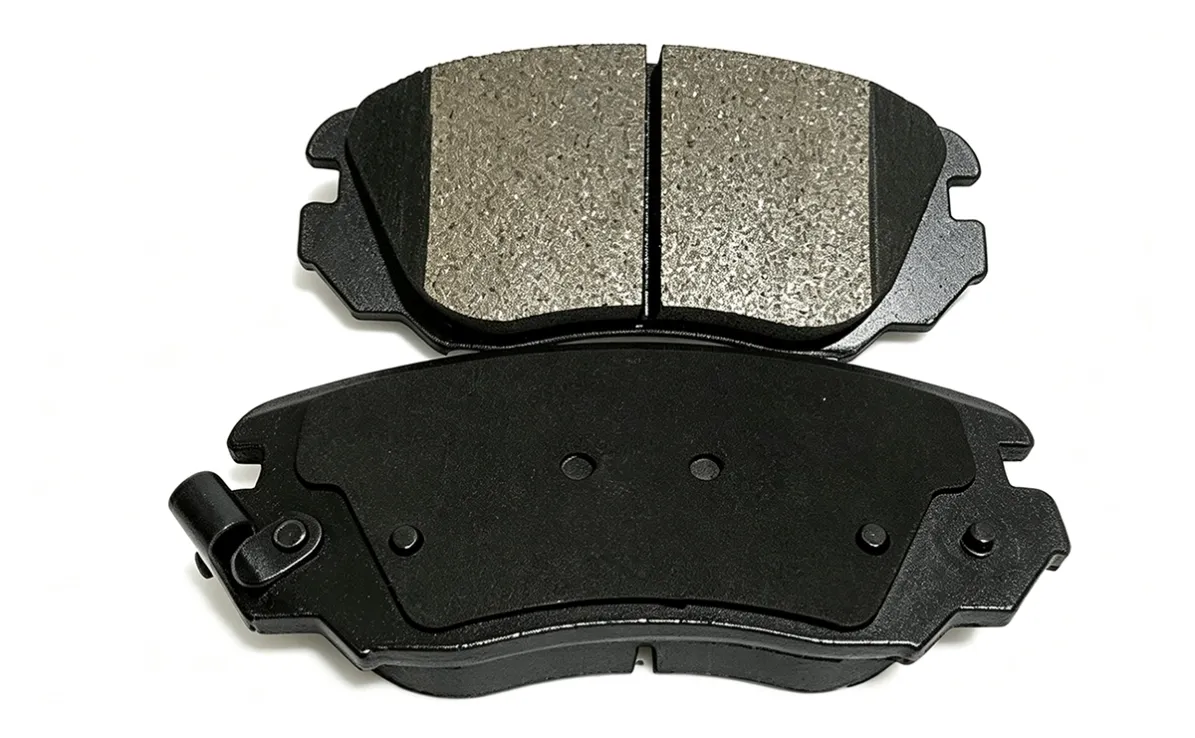
Choosing brake pads for wholesale is different from choosing a set for one vehicle. Importers and distributors must balance vehicle coverage, quality, market demand, price, packaging, and after-sales risk. A low unit price is not a good deal if the pads fit poorly, wear quickly, or create repeated customer complaints.
This guide explains how wholesale buyers can build a practical brake pad purchasing list and compare suppliers before placing an order.
1. Start with Vehicle Demand, Not the Supplier Catalog
The first step is to identify the vehicles that are common in your market. Review workshop inquiries, distributor sales records, fleet data, and popular vehicle registrations. In many developing markets, Japanese, European, Korean, and selected American applications may all be important, but the right mix varies by country.
Create a list that includes the vehicle make, model, production year, engine or body version, front or rear axle, OE reference number, and estimated annual demand. This prevents a common wholesale mistake: buying many different part numbers without enough stock depth in the applications customers actually request.
A focused range of fast-moving references is usually easier to sell and replenish than a large catalog with weak demand. Once the core range is stable, you can expand into less common applications.
2. Match the Friction Material to the Market
Brake pad materials affect noise, dust, wear, heat resistance, pedal feel, and price. The main categories include non-asbestos organic, semi-metallic, low-metallic, and ceramic formulations. No material is automatically best for every vehicle or market.
Consider the following factors:
- Road conditions and traffic density
- Climate, humidity, and temperature
- Vehicle weight and common loading habits
- Driving style and average speed
- Customer expectations for dust and noise
- Target selling price and warranty policy
Semi-metallic pads may offer strong heat resistance and competitive pricing, while ceramic formulations are often chosen for lower dust and quieter operation. The correct choice must still match the vehicle application and the supplier’s tested formulation. For a deeper comparison, see our guide to NAO, semi-metallic, and ceramic brake pads.
3. Verify Fitment Data Carefully
A visually similar pad can still be the wrong part. Before approving a wholesale list, compare OE numbers, dimensions, backing plate shape, friction surface, wear-indicator position, shim design, and accessory requirements.
Ask the supplier for a fitment catalog or technical data sheet. Check whether the reference number is an exact OE cross-reference or only a general catalog match. If a supplier lists one pad for too many unrelated applications, request clarification.
For high-volume products, approve a physical sample against the drawing before mass production. Record the approved sample, packaging, markings, and dimensions so that future shipments can be compared with the same reference.
4. Compare Quality Beyond Appearance
Good-looking packaging does not prove consistent braking performance. A wholesale buyer should ask how the supplier controls raw materials, pressing, curing, grinding, painting, marking, and final inspection.
Useful quality evidence may include:
- Friction and wear test reports
- Shear strength and compressibility results
- High-temperature performance data
- Dimensional inspection records
- Backing plate and coating inspection
- Batch traceability and retention samples
- Complaint handling and corrective-action records
If you are unfamiliar with brake pad inspection, use a checklist covering dimensions, surface defects, chamfers, slots, shims, clips, labels, and packaging. Our brake pad quality control inspection guide provides a practical starting point.
5. Check Certifications and Market Requirements
Certification requirements depend on the destination market and the way the product is sold. Some buyers may require ECE R90 approval, while others may need local conformity documents, test reports, labeling, or distributor-specific evidence.
Do not accept broad claims such as “international certified” without asking which product numbers are covered. Verify the legal company name, certificate holder, factory location, validity period, approval scope, and product markings. A quality-management certificate such as ISO 9001 is useful supplier evidence, but it does not automatically approve every brake pad in the catalog.
Before shipment, keep copies of the documents that apply to your exact order. For more detail, read our guide to brake pad export certifications and market access.
6. Calculate the Total Landed Cost
Wholesale pricing should be evaluated together with all costs that affect your margin. Include the unit price, packaging, labels, tooling, inspection, inland transport, freight, insurance, customs documentation, storage, and potential warranty replacements.
Also compare lead time and minimum order quantity. A slightly higher price may be commercially better if the supplier offers stable production, stronger packaging, accurate documents, and fewer claims.
Ask suppliers to quote the same specification and trade terms. Otherwise, a quotation comparison may look precise while actually comparing different products and delivery conditions.
7. Review Packaging and Private-Label Options
Packaging protects the product and communicates your brand. For export orders, check carton strength, moisture protection, barcode or part-number labels, inner packaging, installation instructions, and palletization.
If you plan to use private labeling, confirm the minimum order quantity, artwork approval process, label durability, trademark responsibility, and whether replacement packaging can be supplied for future orders. Never change a product label in a way that hides the actual manufacturer or creates an unsupported certification claim.
8. Test the Supplier with a Trial Order
A new supplier should normally pass through several stages: document review, sample approval, trial order, pre-shipment inspection, and performance review after delivery. Do not move directly from a low quotation to a large container order.
Track delivery accuracy, packaging condition, fitment complaints, noise reports, wear feedback, and response time. A supplier that handles a small problem transparently may be more valuable than one that promises perfection but avoids responsibility when something goes wrong.
Wholesale Brake Pad Buyer FAQ
How many brake pad part numbers should a new importer buy?
There is no universal number. Start with the applications that have clear local demand and enough expected sales to justify inventory. A smaller, deeper range is usually easier to manage than hundreds of slow-moving references.
Which brake pad material is best for wholesale?
The best material depends on vehicle application, market conditions, customer expectations, and price position. Ask for formulation information and test evidence instead of choosing only by material name.
Should I inspect every shipment?
Inspection depth should reflect order value and supplier history. New suppliers and high-value orders justify stronger inspection, including quantity, dimensions, packaging, markings, and selected performance checks.
What is the biggest wholesale sourcing risk?
The biggest risk is often inaccurate fitment data combined with inconsistent product quality. Both can create returns, customer complaints, and loss of trust even when the purchase price was attractive.
Conclusion
A profitable wholesale brake pad program starts with market demand and accurate fitment data. Then compare material performance, quality control, certification evidence, landed cost, packaging, and supplier responsiveness. Approve samples, begin with a trial order, and expand only after the supplier proves consistent.
YQFDG provides brake pads, brake discs, and sourcing support for international buyers. For product and wholesale inquiries, contact YQFDG.