
Aug 29, 2026Product Knowledge
How to Choose Brake Pad Materials for Hot Climates and Heavy Traffic
A practical guide to choosing NAO, semi-metallic, ceramic, and low-metallic brake pads for hot climates, heavy traffic, mountain roads, and loaded vehicles.
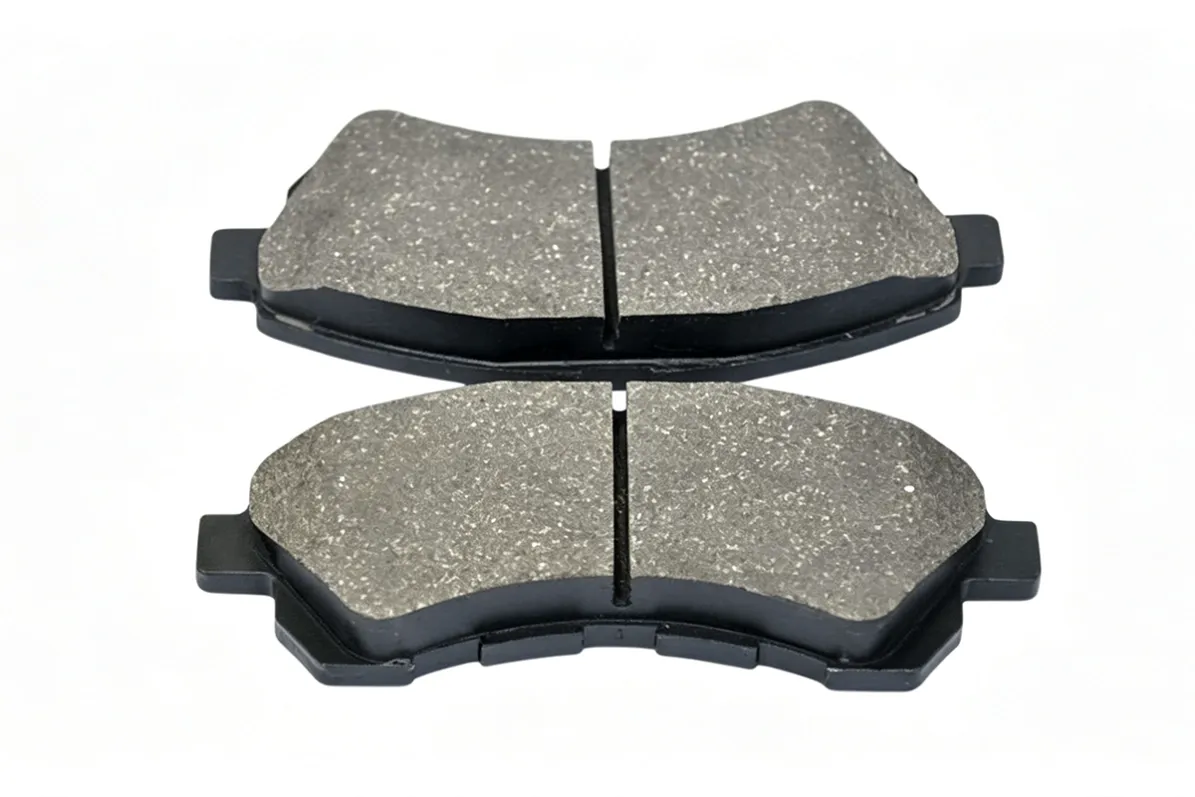
Brake pad selection becomes more demanding in hot climates, congested cities, mountainous areas, and markets where vehicles frequently carry heavy loads. High ambient temperature does not automatically make one friction material suitable for every application, but it does make heat management, fade resistance, fitment, and quality control more important.
This guide explains how drivers, workshops, importers, and distributors can evaluate brake pad materials for demanding operating conditions.
Why Climate and Traffic Affect Brake Pads
Brake pads convert vehicle motion into heat through friction. In slow, congested traffic, the brakes may be applied repeatedly without enough time to cool. Long downhill roads, overloaded vehicles, towing, and aggressive driving can add even more thermal stress.
Hot and humid environments can also accelerate corrosion of the backing plate and hardware when coating and packaging are inadequate. Dusty roads may increase contamination around the pad and caliper, while poor maintenance can cause uneven wear or a sticking caliper.
The correct approach is not to select a material based on climate alone. Evaluate the whole operating environment and the vehicle’s braking system.
Common Brake Pad Material Options
Non-Asbestos Organic Pads
NAO pads generally use a resin-based friction formulation with fibers and fillers. They can offer quiet operation and a comfortable pedal feel, which may suit light-duty vehicles and urban driving. However, performance can vary significantly between formulations, and some products may be less suitable for sustained high-temperature use or heavy loading.
For wholesale buyers, do not treat “organic” as a complete quality description. Request the supplier’s formulation information and application limits.
Semi-Metallic Pads
Semi-metallic pads contain a relatively high proportion of metallic materials. They are often valued for heat transfer, durability, and strong braking performance. They may be suitable for heavier vehicles, demanding traffic, or buyers who prioritize robust performance and price competitiveness.
Possible trade-offs include more wheel dust, greater rotor wear, and higher noise if the formulation, chamfer, shim, or installation is not well controlled. Quality differences between suppliers can be substantial.
Ceramic Pads
Ceramic formulations are commonly selected for low dust, lower noise, and smooth operation. They may be attractive for passenger vehicles and retail customers who care about clean wheels and comfort.
Ceramic does not mean “best in every hot climate.” The product must still be engineered for the vehicle and tested across the required temperature range. A marketing label cannot replace performance data.
Low-Metallic Formulations
Low-metallic pads attempt to balance braking response, heat performance, and comfort. They may be used where buyers want stronger performance than a basic organic pad without choosing a heavily metallic formulation.
Again, the actual blend and manufacturing process matter more than the category name. Ask for technical data rather than comparing labels alone.
How to Choose for Hot and Heavy-Duty Conditions
1. Consider Vehicle Weight and Load
A loaded commercial van, SUV, minibus, or pickup generates more heat than a small passenger car. If the vehicle commonly carries passengers or cargo, evaluate the pad’s high-temperature behavior, compressibility, wear rate, and compatibility with the original brake system.
2. Consider Road Profile
Mountain roads and long descents require repeated braking. Ask whether the product has been tested for fade resistance and recovery after high-temperature braking. Drivers should also use appropriate lower gears on descents rather than relying continuously on the brake pedal.
3. Check Rotor Compatibility
A pad that works well on one rotor design may perform differently on another. Confirm the disc material, surface condition, thickness, and runout. New pads installed on severely worn or damaged rotors may not deliver reliable results.
4. Review Hardware and Installation Details
Noise and uneven wear are not always caused by the friction material. Missing clips, damaged shims, seized guide pins, contaminated surfaces, or an incorrectly lubricated contact point can create problems. A complete pad set with suitable hardware may be a better wholesale choice than a cheaper incomplete kit.
5. Demand Relevant Test Evidence
Ask the supplier what tests were performed and which part numbers they cover. Useful evidence may include friction coefficient, fade and recovery, wear, shear strength, compressibility, noise, and dimensional inspection. Confirm whether the test conditions reflect the intended vehicle and market.
A Practical Buying Checklist
Before placing an order, confirm:
- Vehicle applications and OE cross-reference numbers
- Front or rear axle position
- Friction material and product code
- Temperature and performance information
- Shim, clip, wear sensor, and accessory contents
- Required market approvals and labels
- Backing plate coating and corrosion protection
- Batch traceability and inspection records
- Packaging strength and storage conditions
- Warranty and complaint-handling terms
For a general introduction to friction materials, read our comparison of ceramic and semi-metallic brake pads. If the application is part of a new wholesale program, our guide to choosing brake pads for wholesale can help you build the product range.
Hot Climate Brake Pad FAQ
Are ceramic brake pads always better in hot weather?
No. Ceramic pads may offer low dust and quiet operation, but suitability depends on the vehicle, formulation, rotor, loading, and test data. Heat resistance should be verified for the actual application.
Are semi-metallic pads better for heavy vehicles?
They can be a suitable option because many semi-metallic formulations provide strong heat transfer and durability. The correct choice still depends on the vehicle design, brake system, formulation, and quality of the product.
Why do brake pads fade on long descents?
Repeated braking can raise the friction surface and brake fluid temperature. If the pad and system cannot maintain performance at that temperature, the driver may feel reduced braking response. Correct driving technique, vehicle maintenance, and suitable components all matter.
Can hot and humid weather cause brake pad rust?
The friction material itself is not usually the only issue. Unprotected backing plates, hardware, salt, moisture, poor storage, and infrequent use can contribute to corrosion. Coating, packaging, and storage should be reviewed together.
Conclusion
For hot climates and heavy traffic, brake pad selection should focus on the complete braking system rather than a simple material label. Match the formulation to vehicle weight, road profile, driving conditions, rotor compatibility, hardware, and verified test evidence.
YQFDG supplies brake pads and brake discs for international buyers. To discuss applications, packaging, and wholesale requirements, contact our team.