
Aug 20, 2026Product Knowledge
How to Choose the Right Brake Calipers for Your Vehicle
Learn how to choose the right brake calipers for your vehicle. This guide covers caliper types, materials, piston configurations, and key selection criteria for auto parts importers.
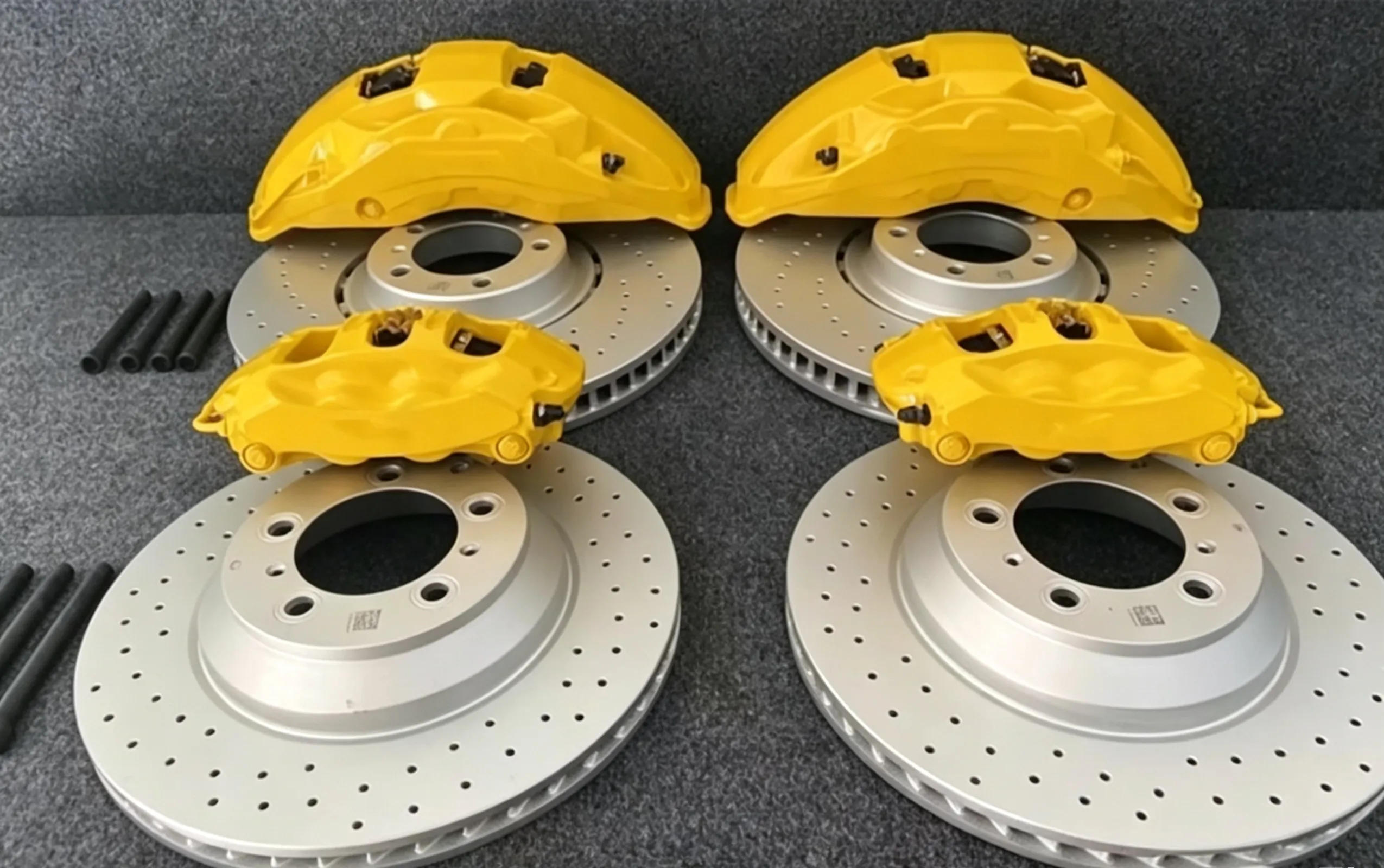
Introduction
When it comes to vehicle safety, most people think about brake pads and brake discs first. But there is one critical component that often gets overlooked — the brake caliper. The caliper is the part that squeezes the brake pads against the rotor to slow down or stop your vehicle. Without a properly functioning caliper, even the best brake pads and rotors cannot do their job.
If you are an auto parts importer or a workshop owner, understanding brake calipers is essential. This guide will help you learn how brake calipers work, the different types available, and how to choose the right ones for your market.
How Brake Calipers Work
A brake caliper is a hydraulic clamp that sits over the brake rotor. When you press the brake pedal, brake fluid flows into the caliper and pushes the pistons outward. The pistons then press the brake pads against both sides of the spinning rotor, creating friction that slows the wheel down.
Here is a simple breakdown of the process:
- You press the brake pedal
- The master cylinder sends pressurized brake fluid through the brake lines
- The fluid enters the caliper through the inlet port
- The fluid pushes the piston(s) inside the caliper
- The piston pushes the inner brake pad against the rotor
- The caliper body slides or pulls the outer pad against the other side of the rotor
- Friction between pads and rotor slows or stops the wheel
The entire process happens in a fraction of a second, which is why caliper quality matters so much for safety.
Types of Brake Calipers
There are two main types of brake calipers, and each has its own advantages. Understanding the difference is key to choosing the right product for your customers.
Floating Calipers (Also Called Sliding Calipers)
Floating calipers are the most common type found on passenger cars and light trucks. They have one or two pistons on only one side of the caliper. When the brakes are applied, the piston pushes the inner pad against the rotor, and the caliper body slides on guide pins to pull the outer pad into contact.
Advantages:
- Lower cost to manufacture
- Simpler design with fewer moving parts
- Lighter weight
- Easier to maintain and repair
- Most common type, so replacement parts are widely available
Disadvantages:
- Guide pins can seize if not lubricated properly
- Slightly less even pad wear compared to fixed calipers
- Not ideal for high-performance applications
Fixed Calipers (Also Called Opposed-Piston Calipers)
Fixed calipers are bolted firmly in place and do not move. They have pistons on both sides of the rotor — one or more on each side. When the brakes are applied, the pistons on both sides push the pads inward simultaneously.
Advantages:
- More even braking force distribution
- Better heat dissipation due to larger body
- More consistent pedal feel
- Preferred for high-performance and heavy-duty vehicles
Disadvantages:
- Higher cost
- More complex design
- Heavier than floating calipers
- More expensive to repair or rebuild
How to Choose the Right Brake Caliper
1. Vehicle Application
The first thing to consider is what type of vehicle the caliper will be used on. Passenger cars, SUVs, light trucks, and heavy-duty commercial vehicles all have different caliper requirements.
- Passenger cars: Floating calipers are usually sufficient and most cost-effective
- SUVs and pickups: Floating or fixed calipers depending on vehicle weight and performance
- Heavy trucks and buses: Fixed calipers with larger pistons for maximum stopping power
- Performance vehicles: Fixed calipers with multiple pistons for precise braking control
Always match the caliper to the original equipment specifications. Using a caliper designed for a smaller vehicle on a heavier one is extremely dangerous.
2. Material
Brake calipers are typically made from two materials:
- Cast iron: More affordable, heavier, very durable, excellent heat resistance. Most common for standard passenger cars and commercial vehicles.
- Aluminum alloy: Lighter weight, better heat dissipation, resists corrosion. Often used for performance vehicles and premium applications.
For most markets in Africa and Southeast Asia, cast iron calipers are the practical choice because they offer excellent durability at a lower price point.
3. Number of Pistons
The number of pistons affects braking performance:
- Single piston: Adequate for most passenger cars and light vehicles
- Dual piston: Better stopping power, common in SUVs and pickups
- Four or more pistons: High-performance applications, better pad pressure distribution
More pistons mean more even pressure on the brake pads, which translates to better braking performance and longer pad life. However, more pistons also mean higher cost and more complex maintenance.
4. OEM Cross-Reference
When sourcing brake calipers, always check the OEM (Original Equipment Manufacturer) number. This ensures the caliper is a direct replacement for the original part. Key numbers to verify:
- OEM part number
- Vehicle make, model, and year
- Caliper mounting specifications
- Piston diameter
A good supplier will provide a detailed cross-reference list so you can match calipers to specific vehicles.
5. Coating and Corrosion Resistance
In tropical and humid climates common in Africa and Southeast Asia, corrosion resistance is very important. Look for calipers that have:
- Anti-corrosion coating (e-coat or powder coat)
- Stainless steel bleed screws and slide pins
- Quality rubber seals that resist heat and moisture
A caliper that rusts quickly will seize up and fail, creating a serious safety hazard.
6. Complete Kit vs Caliper Body Only
Some suppliers offer caliper bodies only, while others provide complete kits. A complete kit typically includes:
- Caliper body with pistons
- Mounting bracket
- Slide pins and boots
- Bleed screw
- Brake pads (in some kits)
For importers, complete kits are often better because they reduce the need to source additional parts separately and ensure all components are properly matched.
Common Brake Caliper Problems
Understanding common caliper problems helps you advise your customers and choose quality products:
Sticking Calipers
When a caliper seizes or sticks, it can cause the brake pad to drag against the rotor even when you are not braking. This leads to uneven pad wear, overheating, and reduced fuel efficiency. Common causes include corroded slide pins, damaged seals, or contaminated brake fluid.
Brake Fluid Leaks
Worn or damaged piston seals can allow brake fluid to leak past the piston. This reduces hydraulic pressure and makes the brakes feel spongy. A leaking caliper must be repaired or replaced immediately.
Uneven Pad Wear
If one pad wears much faster than the other, it often indicates a problem with the caliper. The caliper may not be sliding properly, or the piston may be sticking.
Caliper Noise
Clicking, rattling, or squealing sounds from the caliper area can indicate loose mounting hardware, worn slide pins, or damaged anti-rattle clips.
Maintenance Tips to Share with Your Customers
If you sell brake calipers to workshops or end users, here are some maintenance tips you can pass along:
- Inspect calipers every time the brake pads are replaced
- Clean and lubricate slide pins with high-temperature grease
- Replace rubber boots and seals if they show signs of cracking or damage
- Flush brake fluid every two years to prevent internal corrosion
- Never use compressed air to blow out brake dust without proper respiratory protection
Why Source Brake Calipers from China
China is one of the world largest manufacturers of brake calipers, offering several advantages for importers:
- Competitive pricing without sacrificing quality
- Wide range of vehicle coverage
- Modern manufacturing facilities with strict quality control
- Ability to handle both small and large orders
- Custom packaging and branding options available
When choosing a Chinese supplier, look for one that can provide:
- ISO/TS 16949 or IATF 16949 certification
- Complete test reports
- Sample availability for quality verification
- Clear communication and responsive customer service
Conclusion
Brake calipers are a critical safety component that deserves careful attention when sourcing auto parts. Whether your market needs floating calipers for everyday passenger cars or fixed calipers for heavy-duty applications, understanding the key selection criteria will help you make informed purchasing decisions.
Focus on matching the caliper to the correct vehicle application, choosing quality materials, and working with reliable suppliers who can provide proper certification and cross-reference data. Your customers depend on these parts to keep their vehicles safe on the road.
If you are looking for a reliable supplier of brake calipers and other brake system components, feel free to contact us. We offer a full range of brake parts with quality certifications and competitive pricing for markets worldwide.