
Aug 24, 2026Product Knowledge
How Does a Car Braking System Work? A Complete Guide
Learn how a car braking system works step by step. Understand key components like brake pads, discs, calipers, master cylinder, and ABS, plus maintenance tips.
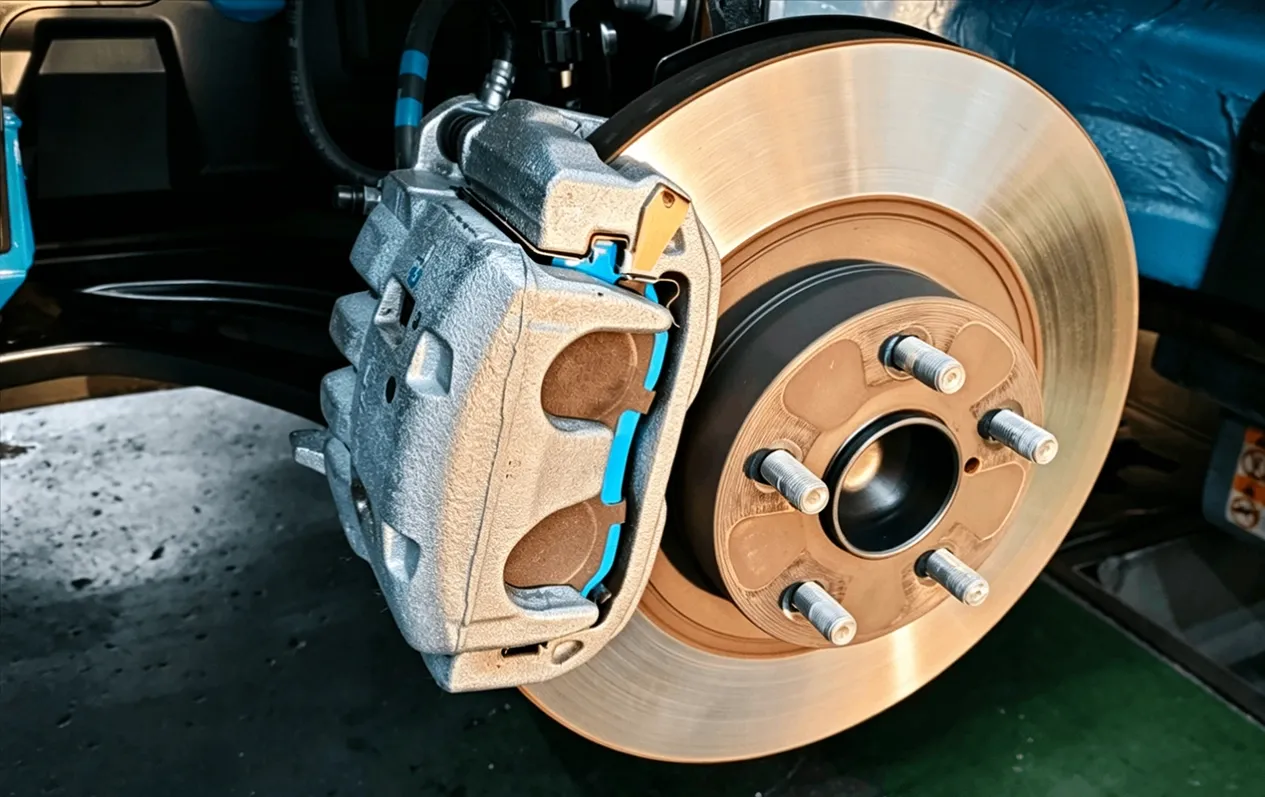
The Basic Principle: Converting Motion into Heat
A braking system works on a simple physics principle — it converts kinetic energy (the motion of your car) into thermal energy (heat) through friction. When you press the brake pedal, brake pads or shoes are pressed against rotating discs or drums, creating friction that slows the wheels down.
The entire process takes less than a second, but it involves multiple components working in perfect coordination. Let's walk through each one.
Key Components of a Car Braking System
1. Brake Pedal
The brake pedal is where everything starts. When you press it with your foot, it pushes a lever that multiplies your force through a mechanical advantage. A typical brake pedal multiplies your input force by 3 to 5 times before sending it to the next component.
2. Brake Booster (Vacuum Booster)
Most modern cars use a vacuum brake booster located between the brake pedal and the master cylinder. It uses engine vacuum to amplify the force from your foot, making it much easier to press the brake pedal. Without the booster, stopping a car would require significant physical effort.
3. Master Cylinder
The master cylinder is the heart of the hydraulic braking system. When the booster pushes into it, a piston inside compresses brake fluid and sends it through the brake lines at high pressure. Most master cylinders have two separate circuits — one for the front brakes and one for the rear — as a safety measure. If one circuit fails, the other can still stop the vehicle.
If you want to learn more about brake fluid types and how to choose the right one, check out our guide on brake fluid types and when to change it.
4. Brake Lines and Hoses
Brake lines are steel tubes that carry pressurized brake fluid from the master cylinder to each wheel. Near the wheels, flexible rubber hoses connect the rigid lines to the brake calipers or wheel cylinders, allowing suspension movement without breaking the fluid path.
5. Brake Calipers (Disc Brakes)
Brake calipers are the clamping devices that squeeze brake pads against the brake disc (rotor). When pressurized brake fluid enters the caliper, it pushes a piston (or multiple pistons) outward, forcing the brake pads against both sides of the spinning disc.
There are two main types of calipers:
- Floating calipers — have pistons on one side only and slide horizontally to press both pads
- Fixed calipers — have pistons on both sides for more even clamping force
For a detailed guide on choosing the right calipers, read our article on how to choose brake calipers.
6. Brake Pads
Brake pads are the friction material that actually contacts the disc. They are made from various compounds including ceramic, semi-metallic, and organic (NAO) materials. Each type offers different trade-offs between stopping power, noise, dust, and lifespan.
When the caliper squeezes the pads against the disc, the friction creates the stopping force. Brake pads are a wear item and need regular replacement. Learn more in our guide on how to change brake pads step by step.
7. Brake Discs (Rotors)
The brake disc is a flat, round metal component attached to the wheel hub. When brake pads clamp down on it, the friction slows the disc and the wheel together. Discs come in several designs:
- Solid discs — simple flat discs, common on rear wheels
- Vented discs — have internal vanes for better cooling, common on front wheels
- Drilled or slotted discs — feature holes or grooves for improved heat dissipation and wet-weather performance
8. Wheel Cylinders and Brake Shoes (Drum Brakes)
While most modern cars use disc brakes on the front, many still use drum brakes on the rear. In a drum brake system, brake shoes press outward against a spinning drum to create friction. Wheel cylinders use hydraulic pressure to push the shoes outward.
Drum brakes are more complex but cost less to manufacture. To understand the full comparison, read our article on drum brakes vs disc brakes.
9. ABS Module (Anti-lock Braking System)
Most modern vehicles include ABS, which prevents the wheels from locking up during hard braking. The ABS module monitors wheel speed sensors and rapidly pulses the brakes (up to 15 times per second) when it detects a wheel about to lock. This allows the driver to maintain steering control during emergency stops.
10. Brake Fluid
Brake fluid is the hydraulic medium that transfers force from the master cylinder to the brakes at each wheel. It must withstand extremely high temperatures without boiling. Common types include DOT 3, DOT 4, and DOT 5.1, each with different boiling points and properties.
Brake fluid absorbs moisture over time, which lowers its boiling point and can cause brake fade. Regular replacement is essential for safe braking.
How the Braking Process Works — Step by Step
Here is exactly what happens when you press the brake pedal:
- You press the brake pedal with your foot
- The pedal lever multiplies your force and pushes into the brake booster
- The vacuum booster amplifies the force further
- The amplified force pushes the piston in the master cylinder
- The master cylinder pressurizes the brake fluid
- Pressurized fluid travels through brake lines to each wheel
- At each wheel, the fluid enters the brake caliper (or wheel cylinder)
- The caliper piston extends, pushing brake pads against the disc
- Friction between the pads and disc converts kinetic energy into heat
- The vehicle slows down and stops
When you release the pedal, the entire process reverses. The caliper piston retracts, the pads release the disc, and the wheels spin freely again.
Front vs Rear Braking Force
Did you know your front brakes do most of the work? When a car decelerates, weight transfers to the front axle, loading the front tires more than the rear. As a result, front brakes typically handle 60 to 80 percent of the total braking force.
This is why front brake components are generally larger — bigger discs, larger calipers with more pistons, and thicker brake pads. Front brakes also wear out faster and need more frequent replacement.
Signs Your Braking System Needs Attention
Pay attention to these warning signs:
- Squealing or grinding noise when braking — worn brake pads
- Brake pedal feels soft or spongy — air in the brake lines or low fluid
- Vehicle pulls to one side when braking — uneven pad wear or a stuck caliper
- Vibrations in the brake pedal — warped brake discs
- Brake warning light on the dashboard — low fluid or ABS issue
For a detailed breakdown, see our articles on 7 signs your brake pads need replacing and 5 signs you need to replace your brake discs.
Brake System Maintenance Tips
To keep your braking system in top condition:
- Check brake fluid level monthly and replace it every 2 years
- Inspect brake pads every 10,000 to 15,000 km
- Replace brake discs when they reach minimum thickness
- Flush the brake system when changing fluid types
- Listen for unusual noises and address them promptly
Choosing Quality Brake Parts for Replacement
When it comes time to replace brake components, quality matters. Cheap brake pads may save money upfront but can wear out faster, produce more noise, and even damage your brake discs. Look for parts that meet recognized certifications like ECE R90 or DOT standards.
At YQFDG, we supply a full range of brake pads, brake discs, and other brake components manufactured in our Dongguan, China facility. All products undergo strict quality control and carry the certifications international buyers need.
Frequently Asked Questions
How often should I replace my brake pads?
Most brake pads last between 30,000 and 70,000 km depending on driving conditions, pad material, and vehicle type. City driving with frequent stops wears pads faster than highway driving.
Can I drive with worn brake pads?
It is not safe to drive with severely worn brake pads. Metal-on-metal contact can damage the brake discs, leading to much more expensive repairs. Replace pads as soon as they show signs of wear.
What is the difference between disc brakes and drum brakes?
Disc brakes use calipers and pads to squeeze a rotor, while drum brakes use shoes that press outward against a drum. Disc brakes offer better heat dissipation and stopping power, which is why they are standard on front wheels for most modern vehicles. Read our full comparison in drum brakes vs disc brakes.
How do I know if my brake discs need replacement?
Common signs include vibrations when braking, visible grooves or scoring on the disc surface, and measuring below the minimum thickness stamped on the disc. See our detailed guide on 5 signs you need to replace your brake discs.
Understanding how your braking system works is the first step toward better vehicle maintenance and smarter purchasing decisions. Whether you are a car owner looking to learn more or a buyer sourcing quality brake parts from China, we are here to help.