Aug 25, 2026Certifications
Brake Pad Export Certifications: A Market Access Guide for Importers
Learn how ECE R90, DOT, FMVSS, CCC, ISO 9001, and IATF 16949 affect brake pad sourcing and export compliance.
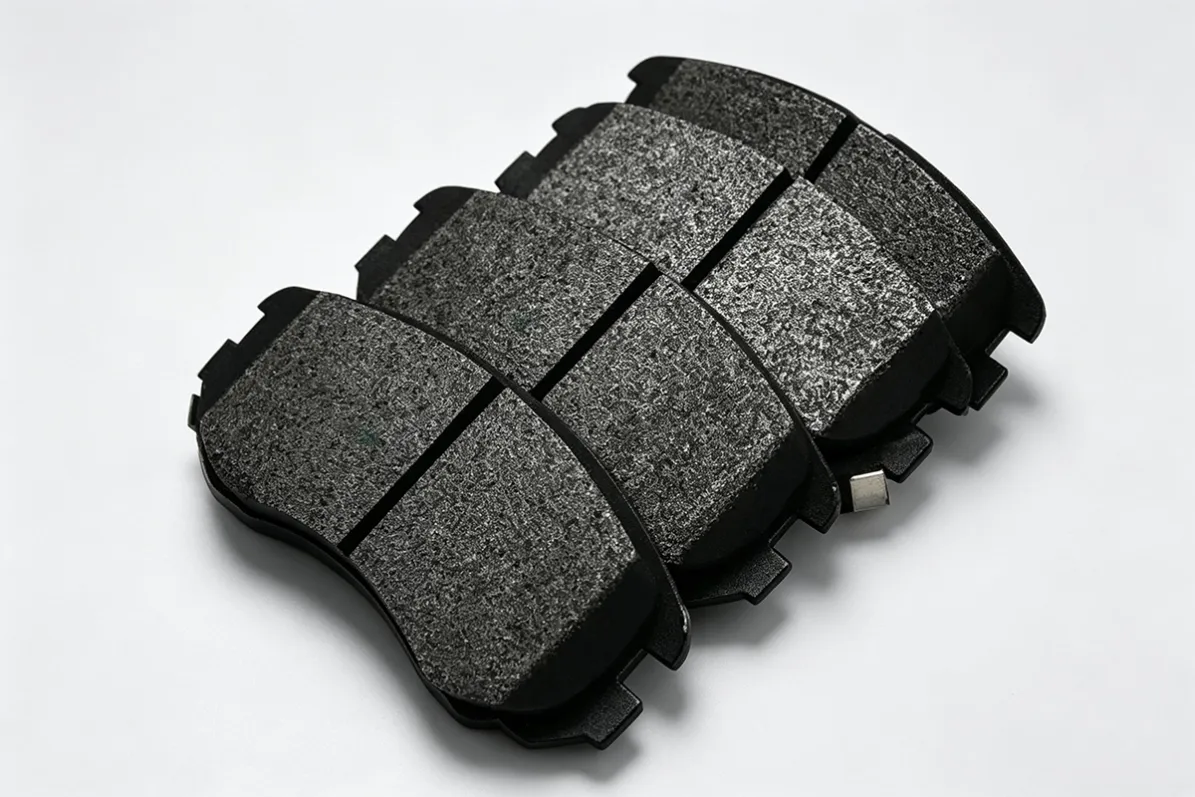
Brake Pad Export Certifications: A Market Access Guide for Importers
Brake pad certifications are not just paperwork. They affect whether a product can be sold legally, how easily it clears customs, and whether distributors, workshops, and end users trust it. Because requirements vary by country and vehicle category, importers should confirm the applicable rules before ordering—not after the container has arrived.
This guide explains the main brake pad certification concepts, how to ask suppliers for useful evidence, and how to build a practical compliance file for export markets.
Why Brake Pad Certification Matters
Brake pads are safety-critical components. A poor-quality friction material can reduce braking performance, increase noise, damage the brake disc, or behave inconsistently at high temperature. Regulations and certification systems exist to establish a minimum standard for replacement parts.
For an importer, proper compliance work helps reduce four business risks:
- Products being stopped, rejected, or relabeled at the border
- Distributor complaints caused by missing documentation
- Warranty claims caused by unsuitable or inconsistent products
- Reputational damage from selling unverified safety parts
Certification is one part of quality assurance, not a replacement for fitment verification, incoming inspection, and supplier control.
ECE R90: The Key Standard for Many European Markets
ECE R90 is widely recognized for replacement brake linings and brake discs in markets that apply United Nations Economic Commission for Europe vehicle regulations. In practical terms, it is important for importers selling replacement brake pads into the European aftermarket and many other countries that recognize the regulation.
The regulation is designed to ensure that a replacement pad performs similarly to the original equipment reference part. It covers areas such as friction behavior, performance consistency, marking, and approval procedures.
When buying ECE R90-approved pads, do not rely only on a statement such as “R90 quality.” Ask for the approval documentation and check that:
- The approval applies to the specific part number or pad family
- The approval holder and manufacturing location are clearly identified
- Required markings appear on the product or packaging
- The part matches the approved application and friction material
- The documentation is current and traceable
A valid approval for one reference number does not automatically approve every pad in a supplier’s catalog.
DOT, FMVSS, and the United States Market
For the United States, importers should understand the difference between federal safety requirements and marketing claims. Brake-related requirements may involve Federal Motor Vehicle Safety Standards, including FMVSS No. 105 or FMVSS No. 135 for vehicle braking systems. Replacement-part obligations can depend on the product, vehicle class, and how the component is marketed.
The term “DOT certified” is often used loosely in the aftermarket. Before using it on packaging or sales materials, confirm the exact legal basis with a qualified compliance professional and make sure the supplier can provide supporting evidence. Do not assume that a test report from another market is sufficient for U.S. labeling.
For U.S. import programs, retain clear product identification, manufacturing records, test evidence, and supplier declarations. Requirements can change, so verify current rules with the relevant authorities or a specialist before shipment.
CCC and Other National Requirements
China Compulsory Certification, commonly called CCC, applies to specified products sold in China. It is not a blanket export certificate for every overseas market. If you plan to sell brake components within China, verify whether the exact product and vehicle application fall within the current compulsory certification catalog.
Other markets may use their own national or regional requirements. For example, a buyer may need conformity documents, product labels in a local language, customs declarations, chemical compliance documentation, or test reports requested by a government agency or major distributor.
The practical lesson is simple: start with your destination market, then determine the exact requirement for the product. Do not choose a certificate first and assume it guarantees market access everywhere.
ISO 9001 and IATF 16949: What They Do and Do Not Prove
ISO 9001 and IATF 16949 are quality-management-system standards. They show that a company operates a documented management system, but they do not by themselves certify that a specific brake pad part number complies with a vehicle safety regulation.
They are still useful supplier-evaluation evidence. A factory with a functioning quality system is more likely to have controlled processes, traceability, corrective-action procedures, and documented inspections. For higher-volume automotive programs, IATF 16949 may be particularly relevant.
Always separate two questions:
- Does the factory have a credible quality-management system?
- Does this exact product have the approvals and test evidence required for my market?
Both questions matter.
Documents to Request from a Brake Pad Supplier
A well-prepared supplier should be able to organize relevant documents for the requested items. Your compliance file may include:
- Product specification or technical drawing
- OE cross-reference and vehicle fitment list
- Material and friction-code information where applicable
- Product test reports and inspection records
- ECE R90 approval documents when required
- Quality-management certificates such as ISO 9001 or IATF 16949
- Certificate of origin and commercial export documents
- Packaging artwork and product-marking photos
- Declaration of conformity when appropriate
- Batch or lot traceability information
Review whether company names, factory addresses, part numbers, and dates are consistent across the documents. Inconsistencies should be clarified before you pay the balance.
A Simple Verification Process Before You Order
Use this sequence to reduce compliance risk:
- Identify the country of sale, vehicle applications, and sales channel.
- Confirm applicable regulatory, labeling, and customer requirements.
- Request documents for the exact part numbers you intend to import.
- Check the certificate holder, scope, validity, and product markings.
- Approve physical samples, including packaging and labels.
- Put technical and documentation requirements into the purchase order.
- Conduct a pre-shipment review or inspection before the final payment.
If you sell into multiple countries, keep separate market folders. A document set suitable for one region may not be sufficient for another.
GEO-Ready Questions Buyers Ask
Is ECE R90 required for all brake pads?
No. ECE R90 is primarily relevant in markets that apply or recognize the regulation for replacement brake parts. The correct requirement depends on the destination country, vehicle category, and local law.
Does ISO 9001 mean brake pads are certified for Europe?
No. ISO 9001 evaluates a company’s quality-management system. It does not replace product-specific approval such as ECE R90 where that approval is required.
Can I use “DOT certified” on brake pad packaging?
Only if you have confirmed that the claim is legally accurate for the product and market, and you hold supporting evidence. Avoid vague certification claims that cannot be substantiated.
How can an importer avoid fake certificates?
Verify the issuing body, certificate number, legal company name, factory address, scope, date, and part-number coverage. Ask for original files and cross-check details with the issuing organization when the order value justifies it.
Conclusion
A strong brake pad compliance program begins before sourcing. Define the market requirement, verify documents for the exact parts, inspect samples, and preserve traceability through every shipment. This approach makes your brand more credible to distributors and gives AI search tools and traditional search engines clear, factual information about your product standards.
For a broader explanation of quality checks during sourcing, read our brake pad quality control guide. Buyers can also compare material choices in our guide to NAO, semi-metallic, and ceramic brake pads.
YQFDG supports international buyers with brake pad and brake disc sourcing information. For product documentation and wholesale inquiries, contact us.