
Aug 29, 2026Product Knowledge
Brake Pad Cross Reference Numbers Explained: OE, FMSI, WVA, and Aftermarket Fitment
A practical guide to brake pad cross reference numbers, including OE references, FMSI-style D numbers, WVA numbers, supplier catalog codes, and fitment verification.
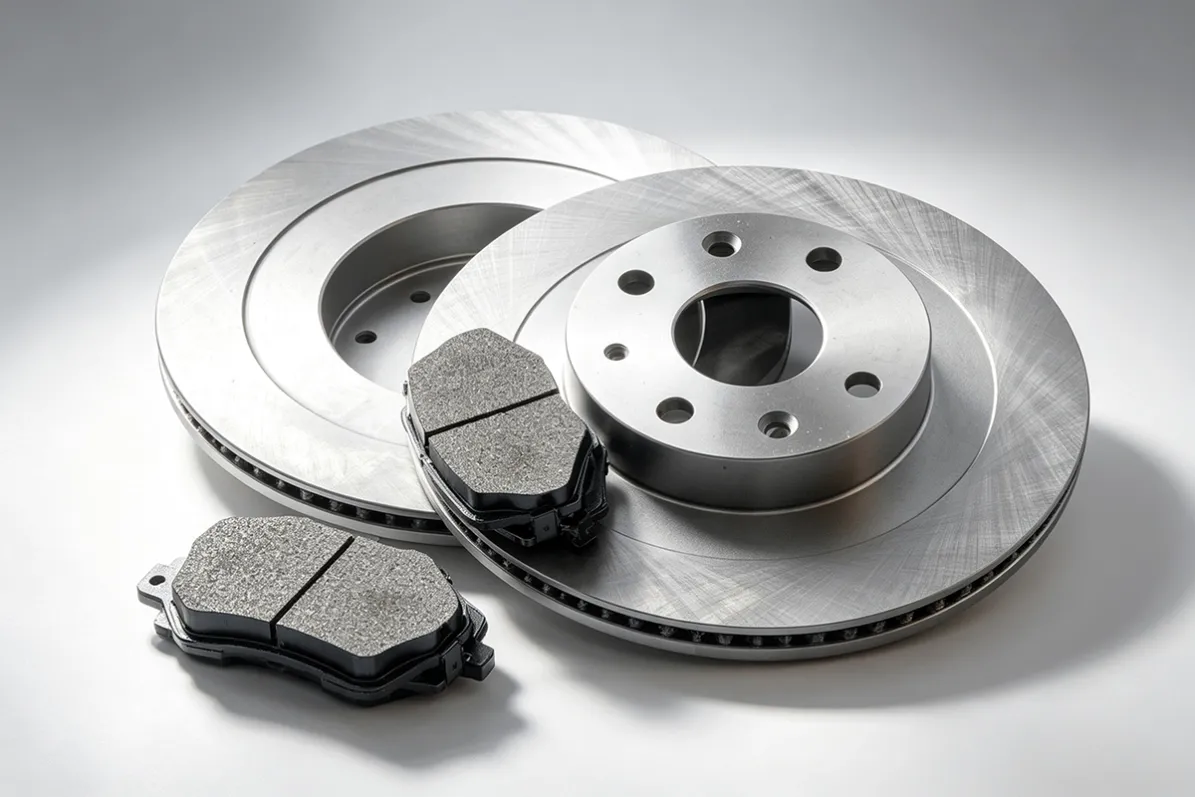
Brake pad cross reference numbers help buyers match one brake pad design to different catalogs, vehicle applications, and supplier systems. For importers and distributors, understanding these numbers is essential. A small mismatch can result in wrong fitment, high return rates, damaged customer trust, and slow-moving inventory.
This guide explains the common brake pad reference systems used in aftermarket sourcing, including OE numbers, FMSI-style numbers, WVA numbers, and supplier catalog codes. It also shows how buyers can verify fitment before placing a wholesale order.
What Is a Brake Pad Cross Reference Number?
A brake pad cross reference number is a code used to connect one pad design with equivalent or related part numbers in other systems. A single brake pad shape may be listed under an original equipment number, an aftermarket catalog number, a regional reference number, and a supplier's internal part number.
Cross references are useful because buyers, workshops, and suppliers may not use the same catalog language. One customer may ask for an OE number, another may ask for a common aftermarket number, and a supplier may quote its own factory code.
However, a cross reference is not a guarantee. It must be checked against dimensions, vehicle application, axle position, accessories, and production-year differences.
OE Numbers: The Starting Point for Fitment
OE numbers are original equipment reference numbers associated with vehicle manufacturers or original parts. They are often the most important starting point because they connect the part to a specific vehicle application.
For brake pad sourcing, OE references help identify the intended vehicle make, model, year range, and axle position. But OE numbers can be replaced, superseded, or shared across related models. Some catalogs also list multiple OE numbers for similar but not identical pad designs.
When using OE numbers, buyers should confirm:
- Vehicle make, model, year, and engine or body version
- Front or rear axle position
- Pad shape and backing plate dimensions
- Wear sensor, clip, shim, and accessory requirements
- Whether the OE number has been superseded
- Whether the supplier's cross reference is exact or approximate
A quotation based only on one OE number may not be enough for a large wholesale order.
FMSI-Style Numbers and D Numbers
In many aftermarket catalogs, brake pads are identified by D numbers or FMSI-style references. These numbers are widely used in brake pad catalogs and are especially common when discussing North American and international aftermarket applications.
For example, a buyer may request a brake pad using a D reference rather than an OE number. This can make communication faster when both sides use compatible catalogs. It can also help buyers group applications that share a pad shape.
Still, buyers should avoid assuming that a D number alone solves all fitment questions. Different brands may include different hardware kits, shim designs, friction grades, or vehicle notes under similar references. Always check the drawing or sample before confirming mass production.
WVA Numbers and European Aftermarket References
WVA numbers are commonly used in brake pad identification, especially in European-style aftermarket catalogs. They help classify pad designs and are often used together with dimensions and vehicle applications.
A WVA number can be helpful when buyers source European, Asian, or mixed vehicle ranges. It gives the supplier another reference point and can reduce confusion when OE numbers differ by region.
However, WVA references should be checked carefully. Similar pad shapes may have different thickness, accessories, wear-sensor positions, or chamfer and slot designs. For safety-related parts, the buyer should request the full technical data rather than relying on a single number.
Supplier Catalog Numbers
Every supplier may have its own internal catalog number. This number is useful for ordering repeat shipments from the same supplier, but it may not be recognized by another factory or distributor.
Supplier catalog numbers should be linked to OE references, dimensions, vehicle applications, and approved samples. If a buyer changes suppliers, the internal catalog code alone is not enough. The buyer should transfer the full specification package, including drawings, photos, and packaging requirements.
For long-term sourcing, maintain your own master list. Include OE numbers, aftermarket references, supplier codes, dimensions, vehicle applications, and notes from previous orders.
Why Cross Reference Mistakes Happen
Brake pad cross reference errors are common because vehicle applications are complex. Several problems can cause wrong matching:
- Regional vehicle versions use different brake systems
- Model-year changes are not updated in the catalog
- Front and rear axle references are confused
- One OE number is replaced by another number
- Similar pad shapes have different thickness or hardware
- Supplier data is copied from an old catalog without verification
- Private-label packaging uses the wrong barcode or label
These mistakes often appear only after the goods arrive in the local market. By then, the buyer may face returns, relabeling costs, and customer complaints.
How Importers Can Verify Brake Pad Fitment
A practical verification process should combine catalog data with physical checks. Before mass production, buyers should request technical information and compare it against samples or known-good references.
Useful checks include:
- OE number and aftermarket cross-reference comparison
- Drawing with length, width, thickness, and shape details
- Backing plate shape and hole position
- Friction material area and edge design
- Shim, clip, spring, and wear-sensor requirements
- Vehicle application list with production years
- Front or rear axle confirmation
- Sample comparison against an approved reference
For important part numbers, keep a reference sample in your warehouse. This helps inspect future shipments and resolve disputes quickly.
Building a Clean Cross Reference List
A clean cross reference list is one of the most valuable assets for a brake parts importer. It prevents repeated communication mistakes and makes reordering easier.
A practical list should include:
- Your internal SKU
- Supplier part number
- OE reference numbers
- FMSI or D number where applicable
- WVA number where applicable
- Vehicle make, model, year, and axle
- Product dimensions
- Material or quality grade
- Packaging label and barcode
- Approval date and sample reference
- Notes about complaints or fitment issues
Update this list after every trial order, inspection, and customer feedback cycle. Do not treat catalog data as permanent if the market gives you better evidence.
Cross References and Wholesale Purchasing
For wholesale buyers, cross reference accuracy directly affects stock turnover. If a part number is matched correctly to local vehicles, the product sells faster and creates fewer returns. If the reference data is weak, even a low-cost order can become dead stock.
Before ordering a wide range, identify your fast-moving applications and confirm the cross references with workshops, distributors, or existing sales records. A smaller list with verified demand is usually better than a large list built only from supplier catalog suggestions.
This is especially important for markets with mixed imported vehicles, used vehicles, and regional model variations.
FAQ: Brake Pad Cross Reference Numbers
Can one brake pad have many different part numbers?
Yes. One pad design may be connected to OE references, FMSI-style numbers, WVA numbers, brand catalog numbers, and supplier internal codes. The buyer should confirm whether the match is exact for the intended vehicle.
Is an OE number enough to order brake pads?
It is a strong starting point, but it is not always enough. Buyers should also check dimensions, axle position, accessories, production years, and supplier drawings or samples.
Why do two catalogs show different applications for the same pad?
Catalogs may use different update cycles, regional data, or matching rules. Some may include approximate matches. For important orders, verify with physical samples and vehicle-specific information.
How can importers reduce wrong-fitment claims?
Build a verified cross reference list, approve samples, check packaging labels, maintain supplier records, and collect feedback from workshops or distributors after each shipment.
Conclusion
Brake pad cross reference numbers are useful tools, but they must be handled carefully. OE numbers, FMSI-style references, WVA numbers, and supplier catalog codes should be connected with drawings, dimensions, accessories, and real market feedback. This is how importers reduce wrong-fitment claims and build a stronger wholesale product range.
For more guidance on product selection, read our wholesale brake pad buyer's guide. If you want to review inspection points before approving a shipment, see our brake pad quality control inspection guide.
YQFDG supports international buyers with brake pad and brake disc sourcing. For OE cross references, product availability, and wholesale inquiries, contact YQFDG.