Aug 16, 2026Certifications
Brake Pad Certifications: What Importers Need to Know (ECE R90, DOT, CCC)
A complete guide to brake pad certifications for importers. Learn about ECE R90, DOT/FMVSS, CCC, and regional standards to ensure compliance when importing brake pads from China.
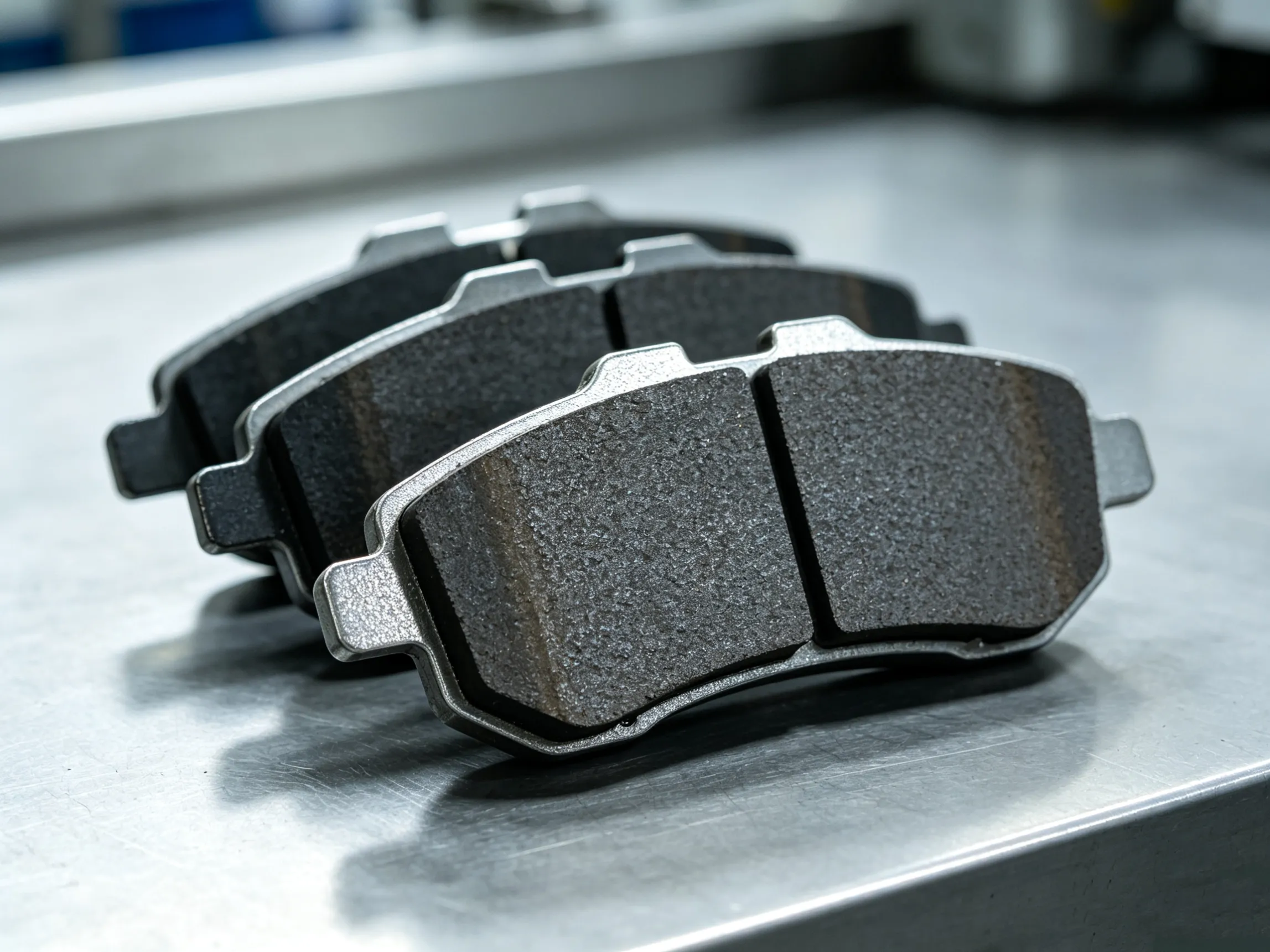
Brake Pad Certifications: What Importers Need to Know (ECE R90, DOT, CCC)
When importing brake pads from China, product quality is only half the story. The other half is certifications. Without the right certifications, your shipment could be seized at customs, rejected by your customers, or worse — expose your business to legal liability.
This guide breaks down the most important brake pad certifications worldwide, what they mean, and how to make sure your Chinese supplier can deliver compliant products.
Why Certifications Matter for Brake Pad Importers
Brake pads are safety-critical components. Unlike decorative accessories or low-risk consumer goods, brake pads directly affect vehicle safety. That is why governments and regulatory bodies around the world enforce strict standards.
For importers, certifications serve three purposes:
- Legal compliance — Many markets require specific certifications before brake pads can be sold. Importing non-certified products can result in fines, product recalls, or import bans.
- Customer trust — Distributors, workshops, and end users want proof that the brake pads they buy meet recognized safety standards.
- Liability protection — If an accident occurs and your brake pads lack proper certification, your business could face serious legal consequences.
The Major Brake Pad Certifications Worldwide
ECE R90 — The European Standard
ECE R90 (Regulation No. 90) is the mandatory certification for brake pads and linings sold in the European Union and many other countries that follow UNECE regulations.
What it covers:
- Friction performance (both cold and hot braking)
- Shear strength between the friction material and the backing plate
- Compressibility of the friction material
- Speed sensitivity
- Performance after exposure to water and salt
How it works:
- Brake pads must be tested by a UNECE-approved laboratory
- Each friction material formulation requires a separate approval
- Approved products receive an "E" mark with a country code (e.g., E1 for Germany, E11 for the UK)
- The E mark number must be stamped on every brake pad
What importers should know:
- ECE R90 is required for all passenger car brake pads sold in the EU
- Each axle set (front or rear) needs its own approval
- If you change suppliers or formulations, you need a new approval
- Ask your supplier for the ECE R90 approval certificate and verify the E mark number
DOT — The U.S. Standard
In the United States, brake pads must comply with Federal Motor Vehicle Safety Standard (FMVSS) No. 135, which covers light vehicle braking systems. While there is no single "DOT certification" specifically for brake pads, the broader FMVSS compliance framework applies.
What it covers:
- Stopping distance requirements under various conditions
- Fade resistance (performance after repeated braking)
- Wet braking performance
- Compatibility with anti-lock braking systems (ABS)
How compliance works:
- Manufacturers self-certify that their products meet FMVSS standards
- The National Highway Traffic Safety Administration (NHTSA) conducts random testing
- Products that fail can be subject to recalls and penalties
What importers should know:
- The U.S. system is based on self-certification, but that does not mean less responsibility
- As the importer, you are legally responsible for ensuring compliance
- Request test reports from accredited laboratories
- Consider voluntary certifications like SAE J2784 for additional credibility
CCC — The Chinese Compulsory Certification
China's CCC (China Compulsory Certification) mark is required for brake pads sold within China. For importers who source from China but sell in other markets, CCC is not directly relevant. However, it does tell you something important about the manufacturer.
What it covers:
- Friction coefficient testing
- Wear rate
- Shear strength
- Heat resistance
What importers should know:
- A CCC-certified factory has already passed Chinese government quality audits
- It is a positive indicator of manufacturing capability, even if you do not need CCC for your market
- Ask if the factory holds CCC certification as one factor in your supplier evaluation
E-Mark and Other Regional Certifications
Beyond the big three, many countries have their own requirements:
- Brazil (INMETRO): Required for brake components sold in Brazil
- India (AIS): Automotive Industry Standards apply to brake pads
- South Korea (KC Mark): Required for automotive parts
- Japan (MLIT): Ministry of Land, Infrastructure, Transport and Tourism standards
- Russia/GOST: GOST certification may be required for the Russian market
- Middle East (GSO): Gulf Standardization Organization requirements vary by country
If you are targeting a specific market, always check the local requirements before placing an order.
How to Verify Your Supplier's Certifications
Getting a certificate is easy. Verifying it is what matters. Here is how to do it right:
- Request the original certificate — Do not accept photocopies or screenshots. Ask for the official document with the certification body's seal and signature.
- Check the certificate number — For ECE R90, you can verify the E mark number against the UNECE database. For CCC, check the CNCA website.
- Verify the product matches — The certificate should list the specific friction material formulation. Make sure it matches the brake pads you are ordering.
- Check expiration dates — Some certifications require periodic renewal. An expired certificate is no certificate at all.
- Visit the factory — If possible, visit the manufacturer to see their testing equipment and quality control process firsthand. If you cannot visit, ask for a video tour or third-party audit report.
- Request independent test reports — Ask for test reports from recognized laboratories such as TUV, SGS, BV, or Intertek. These provide independent verification beyond the supplier's own certification.
Red Flags to Watch For
Be cautious if a supplier:
- Claims certification but cannot produce the actual certificate
- Shows a certificate for a different product or formulation
- Offers prices significantly below market rate (certified products cost more to produce)
- Refuses to provide test reports or factory audit access
- Claims "our products meet the standard" without formal certification
A certificate that cannot be verified is worthless. Protect your business by doing your due diligence.
How Certifications Affect Pricing
Certified brake pads cost more than non-certified ones. Here is why:
- Testing fees: ECE R90 testing alone can cost 10,000 per formulation
- Factory audits: Certification bodies require regular factory inspections
- Quality control: Maintaining consistent quality for certification requires tighter process control
- Documentation: Proper record-keeping and traceability add to operational costs
As a rough guide, expect certified brake pads to cost 15-30% more than non-certified equivalents. But this premium is worth it — it protects your business and opens doors to regulated markets where non-certified products simply cannot be sold.
The Bottom Line for Importers
Brake pad certifications are not optional. They are the foundation of a legitimate import business. Before placing your first order:
- Know which certifications your target market requires
- Verify that your supplier holds valid, current certifications
- Request and verify test reports from independent laboratories
- Budget for the cost difference between certified and non-certified products
- Keep copies of all certifications on file for customs and regulatory inspections
At Yuanqiaofeng, all our brake pads are available with ECE R90 certification and independent laboratory test reports. We understand that compliance is not just a checkbox — it is your business reputation on the line.
Have questions about brake pad certifications for your market? Contact us at 15820816709@163.com or visit yqfdg.com for more information.