
Aug 16, 2026Product Knowledge
5 Signs You Need to Replace Your Brake Discs
Learn the 5 warning signs that your brake discs need replacement. Vibration, noise, grooves, rust and thin discs - know when to replace brake rotors before it is too late.
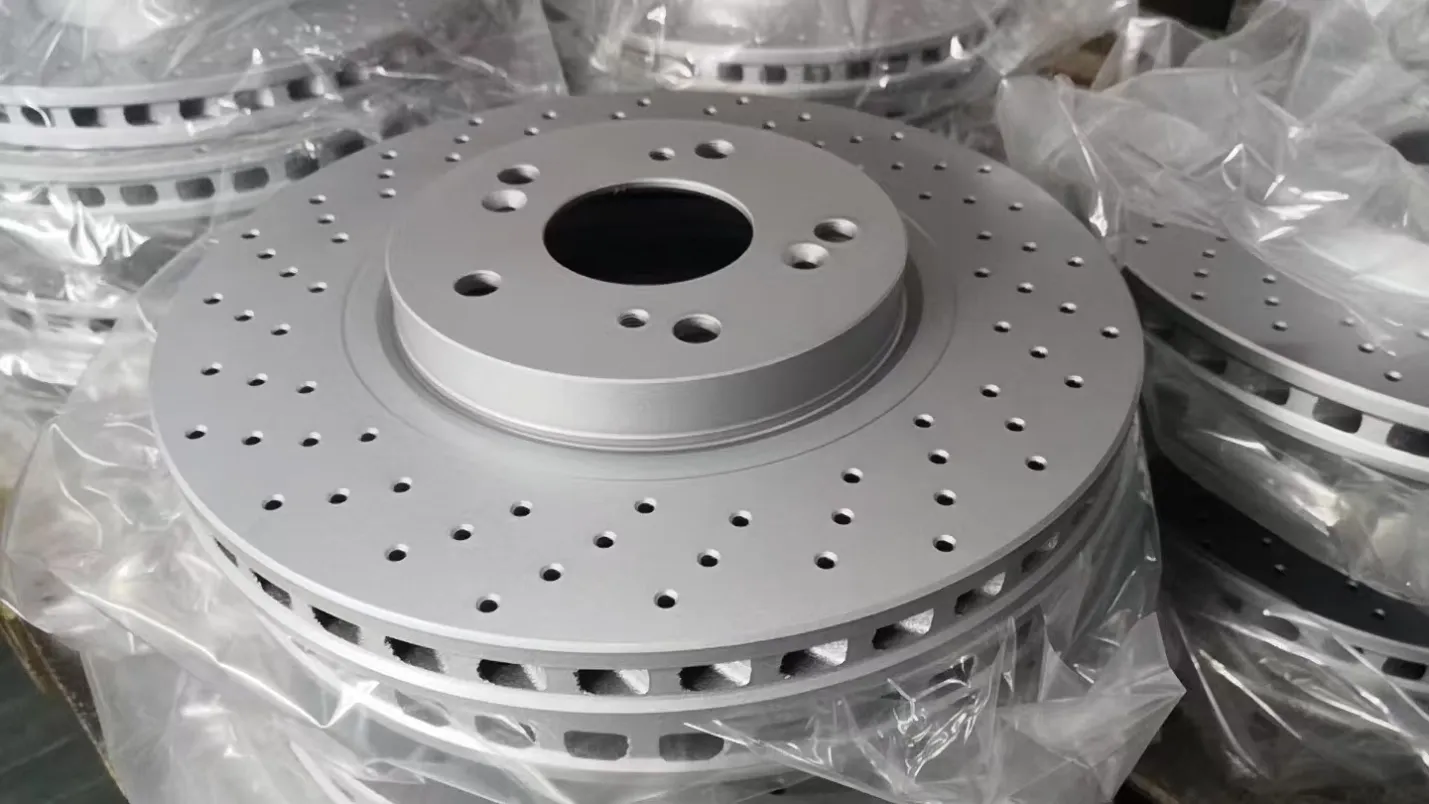
5 Signs You Need to Replace Your Brake Discs
Many drivers focus on brake pads but forget about the other critical component — the brake disc (also called a brake rotor). Worn brake discs reduce stopping power, damage new pads, and can even cause accidents. Here are five clear signs that it is time to replace your brake discs.
1. Visible Scoring or Deep Grooves
Remove the wheel and inspect the disc surface. If you see deep grooves, uneven ridges, or scoring marks, the disc has exceeded its wear limit. These grooves reduce the contact area between pad and disc, weakening braking performance.
Tip: Minor surface scratches are normal. But if you can catch a fingernail in the groove, it is time for replacement.
2. Brake Pedal Vibration
When you press the brake pedal and feel a pulsing or vibration — especially at highway speeds — the disc is likely warped. Warping happens when the disc overheats from heavy braking or when lug nuts are over-torqued unevenly.
This vibration means the pad cannot maintain even contact with the disc surface, resulting in longer stopping distances.
3. Disc Thickness Below Minimum
Every brake disc has a minimum thickness specification stamped on the hat (the center hub area). Use a micrometer to measure the disc. If the disc is at or below the minimum thickness, it must be replaced immediately.
Running discs below minimum thickness causes overheating, brake fade, and potential disc cracking under hard braking.
4. Rust and Corrosion
Surface rust on brake discs after rain is normal — it usually wears off after a few stops. However, deep pitting and heavy corrosion are different. They create an uneven surface that damages pads and reduces braking efficiency.
Vehicles in humid or coastal climates are especially vulnerable. If the rust has created visible pits on the friction surface, replace the disc.
5. Unusual Noises
Squealing, grinding, or scraping sounds when braking often point to worn discs. While squealing can come from pad wear indicators, grinding usually means the pad material is gone and metal is contacting metal — which damages the disc surface rapidly.
Once metal-on-metal contact occurs, the disc is often damaged beyond resurfacing and needs full replacement.
When to Replace vs. Resurface
In some cases, a mechanic can resurface (machine) the disc to restore a flat surface. However, replacement is the better option when:
- The disc is at or near minimum thickness
- There are deep cracks or heat spots
- The disc is severely warped
- Resurfacing would bring the disc below minimum spec
Modern coated brake discs offer better corrosion resistance and longer service life, making them an excellent upgrade for vehicles driven in harsh weather conditions.
Choosing the Right Replacement Brake Disc
When selecting new brake discs, consider the following factors:
- Vehicle compatibility: Always check OE part numbers and fitment specifications
- Disc type: Solid, vented, drilled, or slotted — each suits different driving conditions
- Coating: Coated rotors resist rust and maintain appearance longer
- Material quality: High-carbon cast iron offers better heat dissipation
For bulk orders of high-quality brake discs — including coated rotors and custom specifications — contact us for factory-direct pricing and OEM support.